












Information Technology
Technical skills shaped by creative thinking.

Information Technology sits at the centre of today's digital landscape. From cloud infrastructure and cyber security to analytics, automation and software development, IT professionals design, build and manage the systems we rely on every day.
Studying IT at SAE means learning in an environment where technology and creativity collide. Through hands-on, practice-based learning, you'll build in-demand technical skills while exploring how technology is designed, developed, and applied to solve real-world challenges.
What IT courses can you study at SAE?
Start your journey in IT with the Diploma of Information Technology by developing foundational skills in programming, software development, cyber security, and networks. Explore how people interact with technology while building the confidence to progress to further study.
With the Associate Degree of Information Technology, you can build on your technical foundations and explore areas such as cloud computing, databases, analytics, and web development. Apply your skills through client-based projects as you prepare for industry roles or further study.
Choose the Bachelor of Information Technology to advance your technical skills through hands-on, practice-based learning. Gain real-world experience through Work Integrated Learning and showcase your capabilities in a major capstone project.

Postgraduate Courses
Advance your expertise through postgraduate study focused on contemporary technology practice with the Master of Information Technology, digital transformation, emerging technologies and leadership.
Graduate Certificate of Software Development is a practical postgraduate entry point for working professionals who want to formalise experience, upskill, or progress towards the Master of IT.
Why study Information Technology at SAE?
CAREER OUTCOMES
Where Information Technology could take you:
- Software Developer
- Web Developer
- System Analyst
- Cloud Engineer
- Cyber Security Analyst
- Data Analyst
- Business Analyst
- Network Administrator
- IT Project Coordinator
- Solutions Consultant

Meet your technology mentors
Meet your technology mentors
Gain insider knowledge from trusted experts shaping today’s tech landscape.
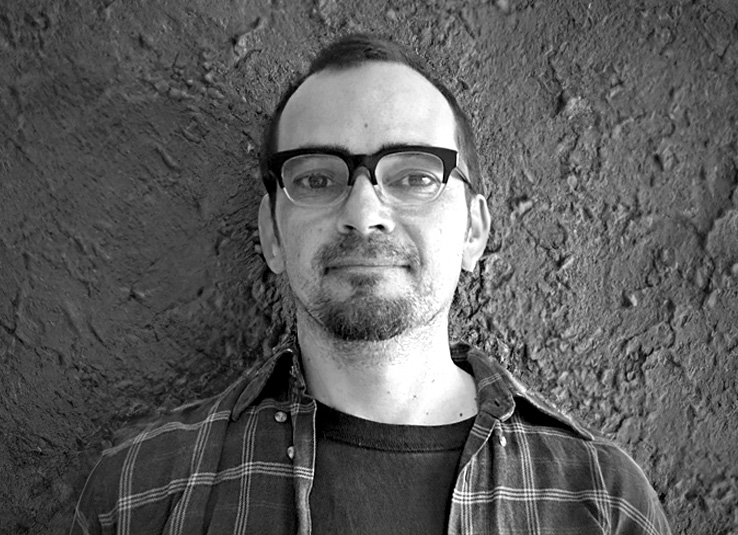
Associate Professor Robert Haubt - Head of School, Information Technology and Creative Computing
Robert is an interdisciplinary educator and researcher with over 20 years’ experience spanning computer science, creative media, the arts and human evolution. As Head of the School of IT & Creative Computing, he explores how creative practice and technology inspire innovation, empower communities, support sustainability and advance social equity through collaboration.

Founder of the Global Rock Art Database, the world's first centralised platform for global rock art research

Held research fellowships at Griffith University and Macquarie University in Digital Technologies

Developed machine learning applications addressing the UN Sustainable Development Goals
Meet your technology mentors
Gain insider knowledge from trusted experts shaping today’s tech landscape.
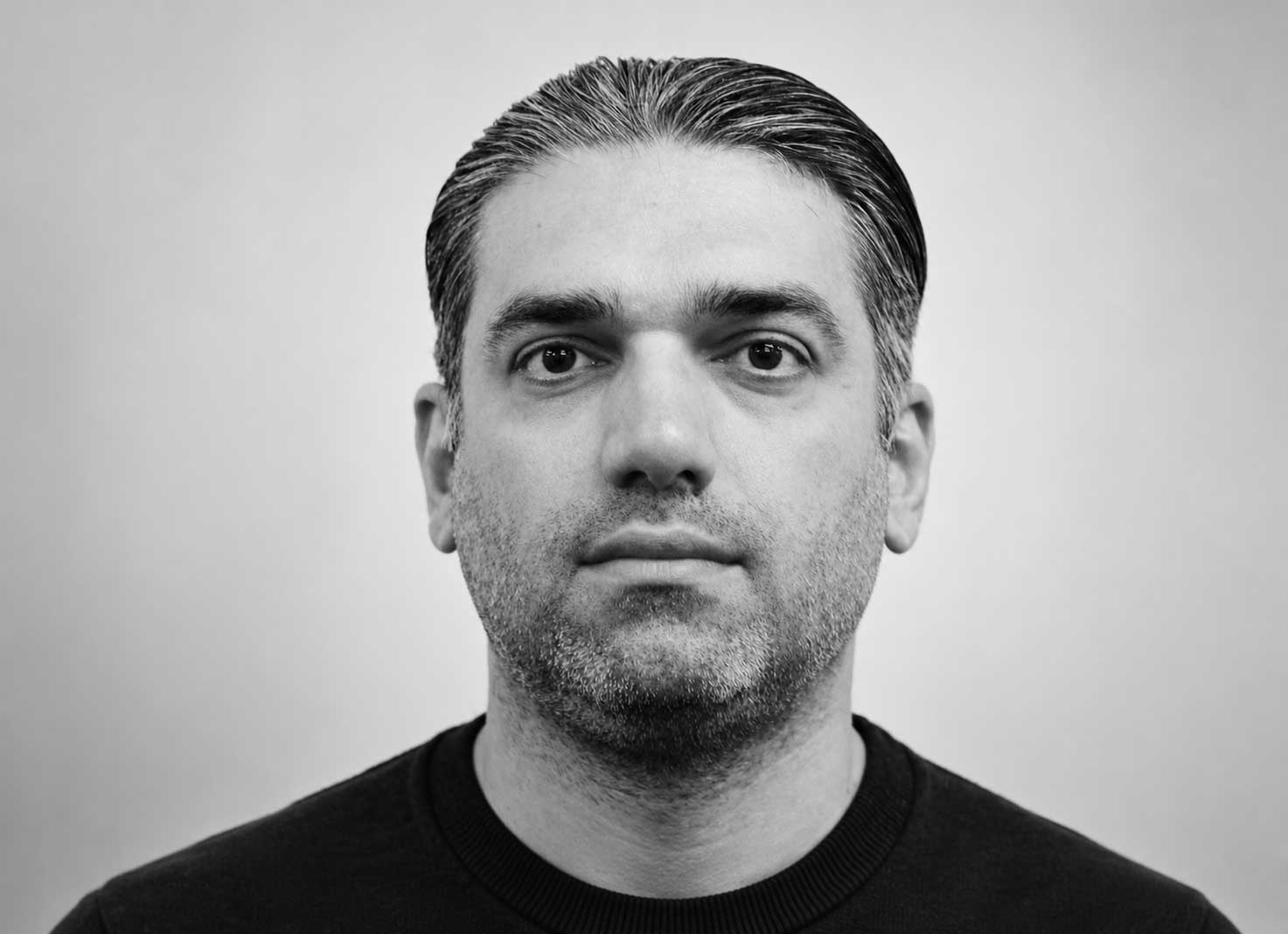
Dr Hamid Bagha – Lecturer, Computer Science
Hamid works across software engineering, data analytics and research-driven innovation, bringing advanced technical expertise and real-world applications into his teaching. With a PhD in Engineering and IT, his project-based approach helps students connect programming concepts with practical challenges while developing the technical skills, problem-solving capabilities and professional workflows needed for careers in a rapidly evolving technology industry.
Developed an IoT-based system to analyse vehicle emissions using data-driven technologies

Holds a PhD in Engineering and IT from the University of Melbourne and a Master by Research in ICT from Swinburne University of Technology
Recipient of Swinburne’s Vice-Chancellor’s Early Career Researcher Award and recognised for research contributions to Science, Computing and Engineering Technologies
Meet your technology mentors
Gain insider knowledge from trusted experts shaping today’s tech landscape.

Dr Ping-I (Adam) Ho – Senior Lecturer
Adam specialises in game design, critical game studies, and media and cyberculture, exploring how digital technologies shape everyday life and culture. Combining academic research with practical game development, he guides students through concept development, prototyping, playtesting, iteration and production, helping them build both creative confidence and industry-ready skills.
Researches virtual game economies, tabletop role-playing games, and serious games addressing environmental, ethical and cultural issues
Holds a PhD in Digital Cultures from the University of Sydney and has taught at SAE since 2014
Mentored major student projects, with graduates progressing to studios including Halfbrick Studios, Electronic Arts, Mighty Kingdom and Wicked Workshop
What our graduates have to say


Rachel Toomeh
SAE Alumni | Current Job: Product Manager, Not Doppler Studio

Nik Pantis
SAE Alumni | Current Job: Production Manager, Ubisoft

Regine Caramancion
SAE Alumni | Current Job: Independent Games Developer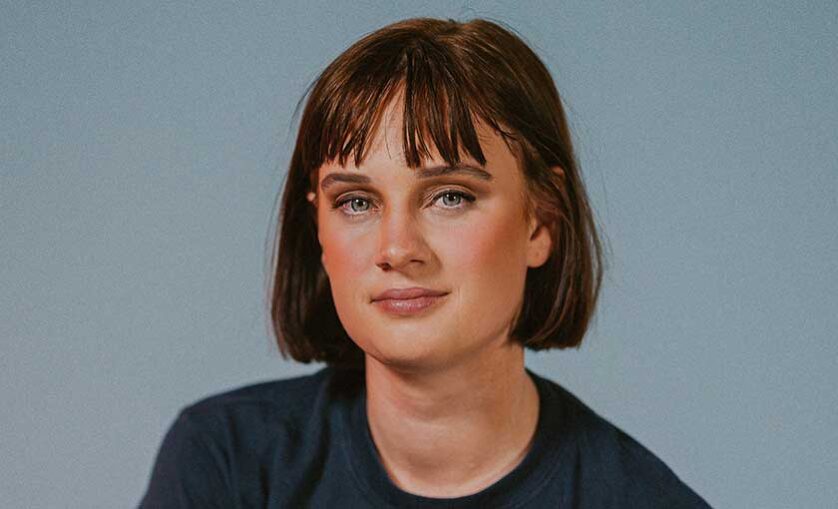

Eliza Allard
SAE Alumni | Current Job: Director/Founder, The Content Lab

Evie Slattery
SAE Alumni | Current Job: Graphic Designer

Jovian Ubukata
Bachelor of Film, graduated 2024Your career in Information Technology begins now
GRADUATE FROM AN SAE IT COURSE WITH PRACTICAL SKILLS IN:
Is Information Technology right for you?
Still deciding where to study IT? Check out our suitability recommendations and FAQs to consider before you study information technology at SAE.
- Like solving problems and finding practical solution
- Enjoy understanding how systems, platforms and technologies work
- Are interested in software, cloud, cyber security, AI or data
- Want to create solutions that support digital products, creative industries and modern organisations
- Enjoy working collaboratively on projects and ideas
- Want to create technology that solves real problems for people and organisations.
Whether you’re a school leaver, career changer, self-taught coder or looking to expand your technical skills, IT offers a practical pathway into one of today’s fastest-growing industries. Domestic students can also apply through SAE’s no ATAR entry pathway.
Our Master of IT can be completed in as little as two years with our accelerated trimester model. We also offer the Graduate Certificate of Information Technology as a nested qualification, which can be completed within just two trimesters.
This depends on your interests as both fields are valuable and offer distinct strengths. Computer Science explores the theoretical foundations of computing, algorithms and software design, while Information Technology focuses on the practical application of tech in real-world settings. At SAE, you’ll gain hands-on experience in both, with industry-relevant skills that prepare you for a range of tech careers.
Absolutely! IT is one of Australia’s fastest-growing industries, with strong demand for skilled professionals in data, cyber security, AI, development and cloud computing. It’s a future-proof field with diverse career paths and global opportunities.
Information Technology salaries vary based on role, experience and location. Graduates entering the field can expect salaries from $70,000–$80,000, with senior professionals earning well over $120,000 in specialist areas like software development, cyber security and cloud computing.