














Australia’s technology workforce is also expected to grow, with the Australian Computer Society projecting that we’ll need 1.48 million technology workers by 2035 to meet demand.
If you’re considering studying a technology degree, you might be wondering: should you choose information technology (IT) or computer science? And what’s the difference between these two areas of tech anyway?
The main difference between IT and computer science is their focus. While IT centres on applying, managing and securing technology to solve practical problems, computer science is about designing and developing technology through programming, algorithms and software engineering.
Let’s explore what sets these two disciplines apart and how to choose the right pathway for your studies and future career.

What is IT?
Information Technology courses focus on applying, managing and securing technology to solve real-world problems.
IT professionals help organisations use technology effectively, from managing cloud infrastructure and protecting information to analysing data and improving digital systems.
At SAE, our IT courses cover areas including:
- // Cyber security and networking
// Cloud computing and infrastructure
// Software and web development
// Data analytics and business intelligence
// Artificial intelligence and automation
// Enterprise systems.
Through practical projects, you’ll learn how to design, implement and manage technology solutions that support people and organisations.
What is Computer Science?
Computer Science courses focus on the foundations of computing and the design and development of technology.
Computer scientists explore how computers work, how software is created and how complex problems can be solved through programming, algorithms and computational thinking.
SAE’s computer science courses cover:
- // Programming languages including Python, C++ and Java
// Software engineering and development
// Algorithms and computing principles
// Artificial intelligence
// Computer systems and networks.
You can also specialise in games programming, software development, cyber security or web development, applying your skills to practical, multidisciplinary projects.
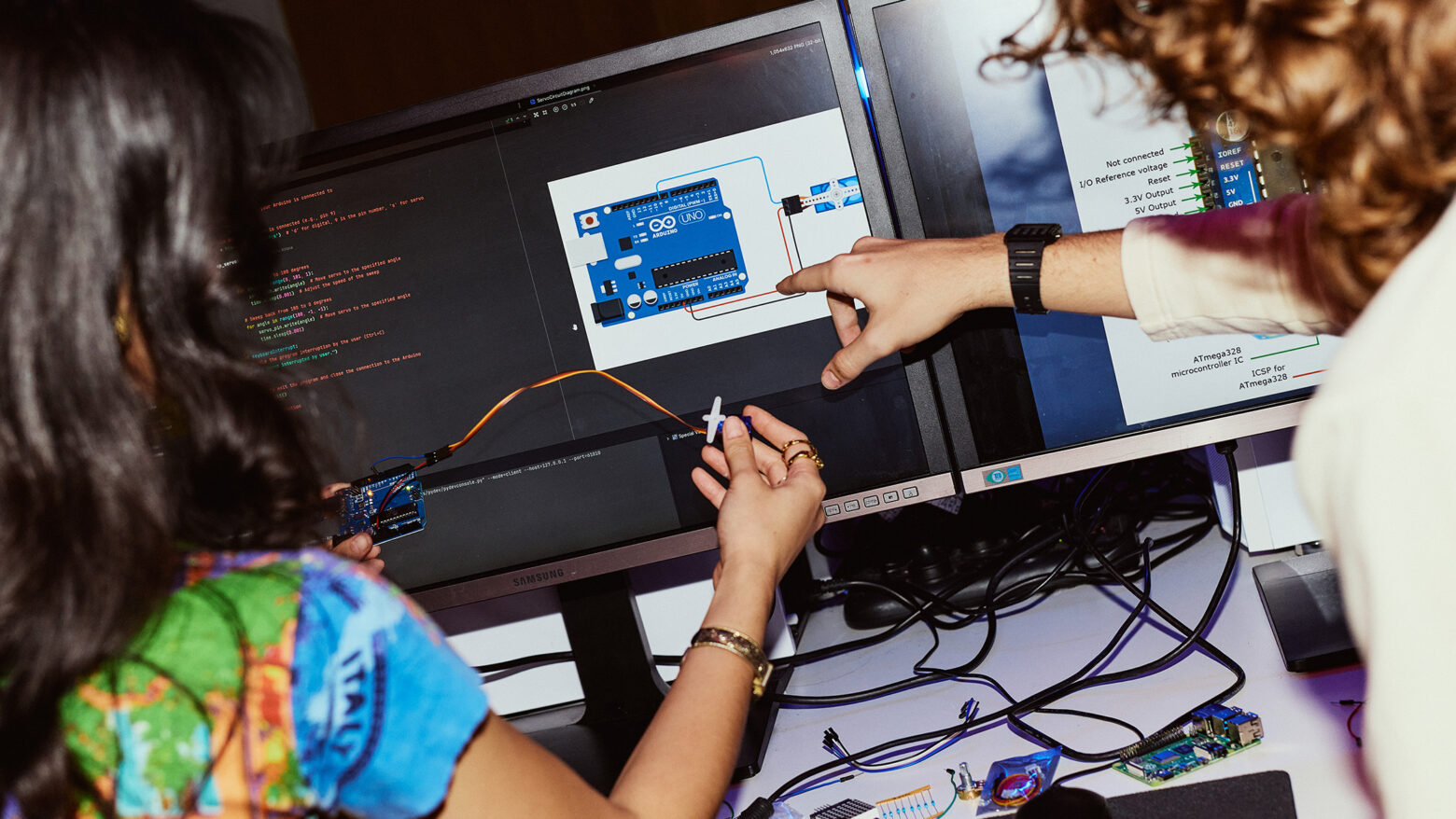
IT vs Computer Science: What are the key differences?
| Feature | Information Technology | Computer Science |
|---|---|---|
| Main focus | Applying, securing, and managing technology | Designing, coding, and creating technology |
| Core strengths | Cloud computing, networks, cyber security, data analytics, enterprise systems | Programming, software engineering, algorithms, AI models |
| Approach | Implementation, integration and system optimisation | Software development and computational problem-solving |
| Career examples | Cloud Engineer, Systems Analyst, Data Analyst, Cyber Security Specialist | Software Engineer, Games Programmer, Systems Architect, Security Engineer |
While their focus differs, both IT and computer science share skills across areas such as programming, cyber security, AI and cloud computing.
Can you become a software developer with an IT degree?
Yes! Both IT and computer science can provide pathways into software development. SAE’s IT courses include programming, software development and web technologies, while computer science places greater emphasis on computing principles, algorithms and software engineering.

Which is better to study: IT or Computer Science?
Neither discipline is inherently better than the other; the right choice depends on your interests, strengths and career goals.
IT may appeal to students interested in applying technology to practical challenges, while computer science may suit those who enjoy programming and developing new digital solutions.
Studying IT might suit you if:
- // You enjoy solving practical problems using technology.
// You’re interested in cyber security, cloud computing, networks or data.
// You want to understand how organisations use and manage digital systems.
// You like combining technical knowledge with business and professional skills.
Studying Computer Science might suit you if:
- // You like coding and understanding how software works.
// You’re interested in creating applications, games or digital tools.
// You enjoy logical thinking and solving complex technical problems.
// You’re keen to explore software engineering, algorithms or AI.
And remember, you don’t need to have your entire career mapped out before choosing a technology course! Both disciplines will help you develop transferable technical and problem-solving skills, with opportunities to explore different interests while you study.

Why study technology at SAE?
SAE is where technology and creativity collide. You’ll study alongside students working in games, film, animation, music and other creative disciplines, encouraging collaboration and new approaches to problem-solving.
Our tech courses combine:
- // Hands-on, project-based learning: Apply your technical skills to real-world, practical challenges and projects that reflect current industry practice.
// Experienced academics: Learn from lecturers who bring professional technology expertise into the classroom.
// Emerging tech: Explore contemporary tools, platforms and technical practices, and develop skills relevant to today’s technology industry.
// Cross-disciplinary collaboration: Work with students across creative and technology fields to explore new approaches to problem-solving.
// Industry experience: Gain practical experience through Work Integrated Learning, where you’ll put your skills into action before you finish studying.
Find your future in technology at SAE
Ready to take the next step? Explore SAE’s IT courses and Computer Science courses to find out more about your study options. Or, for personalised advice about choosing the right technology study pathway, book a call with our Course Advisors today!