

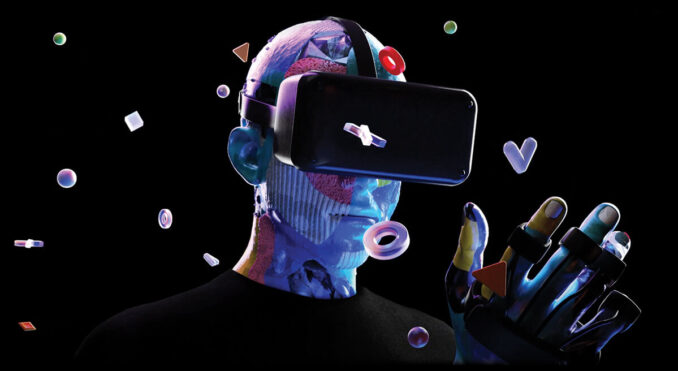


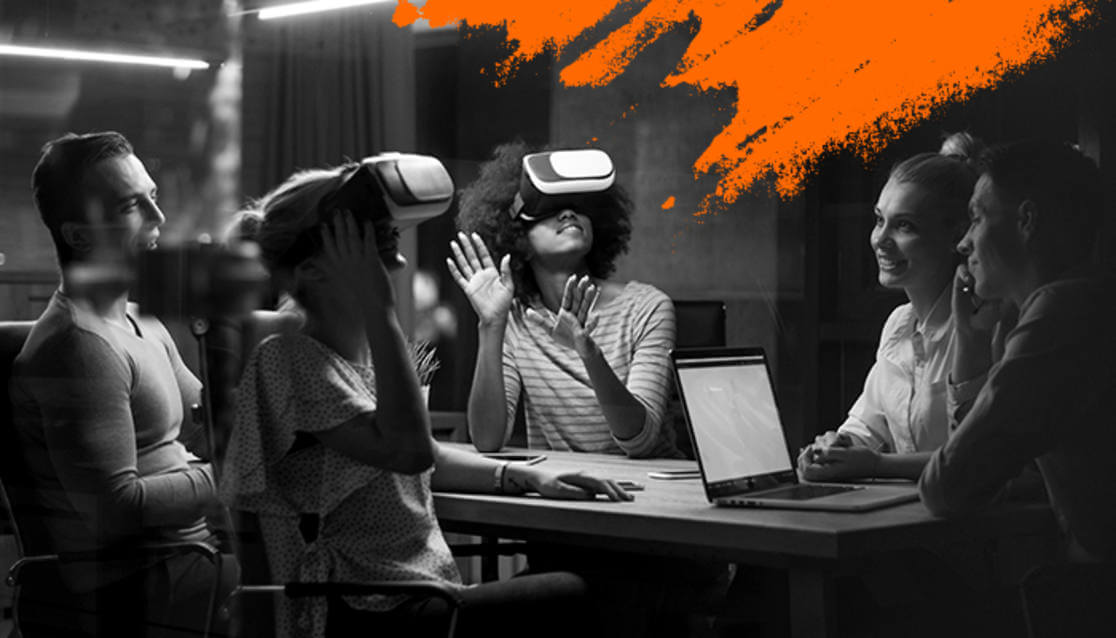
Virtual and Augmented Reality are transforming the world across a multitude of industries. A career in this field is not only creative but innovative and rewarding. It’s been reported there will be an additional 23.5 million jobs globally in this field by 2030.
Creatives are able to build tech and apps to support and improve education, training, healthcare, military efforts and entertainment – they can work in some of the best companies in the world and the money is good as well, which is a bonus!
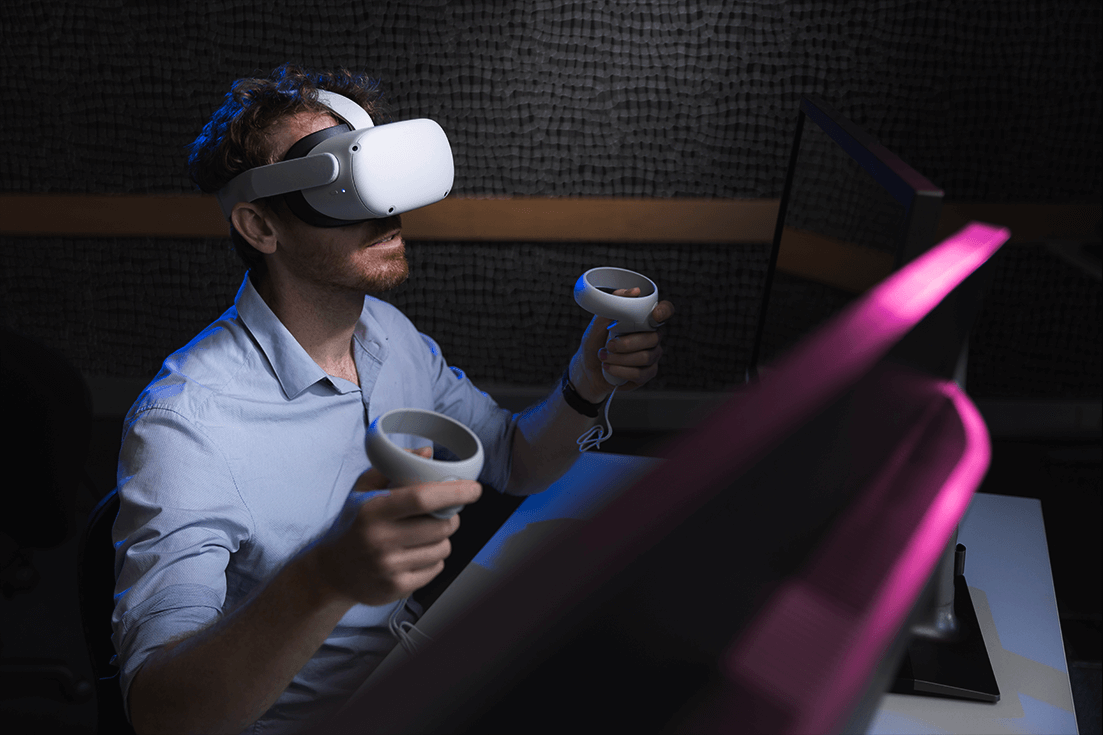
With the growth in hardware adoption — and VR headsets like Oculus Rift, Oculus Quest and HTC Vive having record sales in 2020 — industries are in desperate need of VR developers, app developers, game artists and interactive XR-related professionals as the industry skyrockets.
So how do you get in, and what jobs are available?
Opportunities range from content creators for consumer products or game developers in the entertainment industry, to training simulations, AI intelligence or Mixed Reality Artists within larger companies and governments.
Sound interesting, but still unsure what skills are needed for these types of roles?
Let’s unpack 5 key industry roles :
- Software Developer/Senior Software Engineer: Core skills needed are practical knowledge with Unity, as well as development experience in Oculus, Vive and C#.
- ARVR Maintenance and Support Roles: Experience with computer systems maintenance using Unity and other VR systems. You’ll be able to use 3D tools like MAYA, 3D MAX, Autodesk 3D, or similar to create texts in 3D.
- Design and Graphics Engineer: Experience developing 3D applications or games, having worked in engines such as Unity and Unreal. Have worked with C#, C++ and Java.
- Game Artist (Technical Artist): Use a range of software like MAYA, Unreal Engine, C++, understand prototyping with 3D models, have an eye for UX and be a great communicator.
- Project Manager: Experience in collaborating on projects with teams of designers, prototypers, product testers, and engineers. Having the ability to lead customer experience and work environments within timeframes is crucial.
Keen to get into this exciting industry? Want a career that is rewarding and well paid? SAE Creative Media Institute’s Diploma of Augmented and Virtual Reality is your ticket! The course teaches the fundamentals of VR and AR. Students are guided by industry experts, who provide deep knowledge in ARVR, mixed reality, haptic technologies, human-computer interaction and prototyping.