


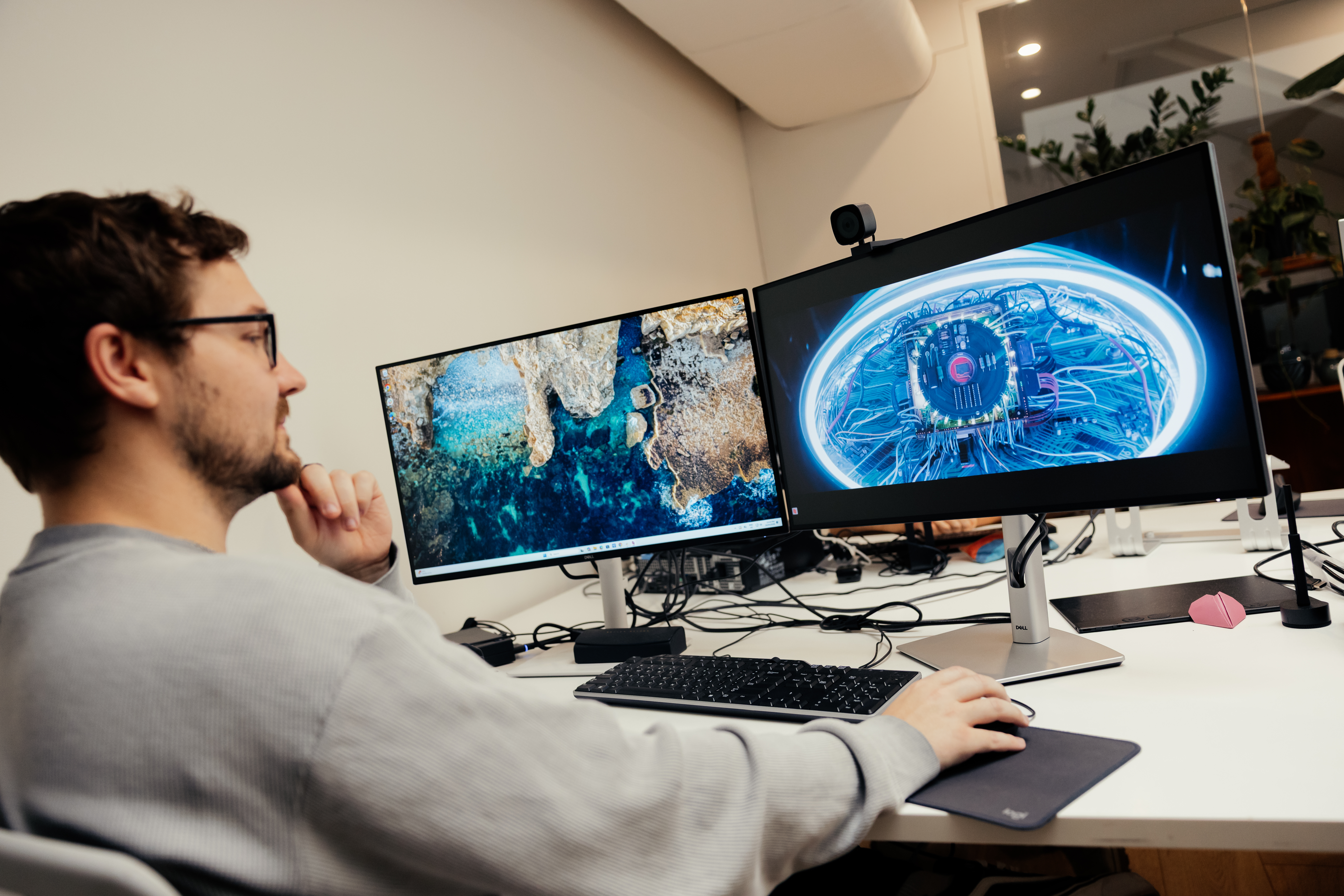
According to SAE animation graduate and FIN VFX Asset Generalist Jaymes Ruffin, some of the most valuable skills in the industry have less to do with software, and more to do with how you think, communicate and collaborate.
So, beyond the technical expertise, what does it really take to build a successful career in VFX? Let’s break it down!
1. ADAPTABILITY
When Jaymes first started studying at SAE, he “originally wanted to work in games and become a game artist.”
But as he developed his skill set and explored different creative workflows throughout his degree, his interests started shifting. He found himself increasingly drawn towards photoreal asset creation and cinematic work – a direction that would eventually lead him into the exciting world of VFX.
This taught Jaymes an important lesson early on: adaptability is one of the most valuable skills you can have as a creative. By staying open to new workflows, interests and opportunities, he discovered a career path he hadn’t originally planned for.
It’s also a mindset he still relies on in-studio today. Whether he’s learning new workflows, responding to feedback or adapting to the fast-moving nature of production, working in VFX means Jaymes is constantly evolving alongside the industry.
2. PROBLEM-SOLVING
In VFX, your day-to-day work involves lots of troubleshooting, refining ideas and finding creative solutions under pressure. For Jaymes, that constant problem-solving is one of the most rewarding parts of the job.
“Every asset is its own little puzzle,” he says. “Some puzzles are easier than others, and some are significantly harder.”
This process of iteration is built into studio life, where artists test ideas, receive feedback, revise work and continue improving shots over time.
“You’ll spend weeks or months stuck on something, and then one day it just clicks,” Jaymes explains.
At SAE, students are exposed to that same kind of production thinking through practical projects and collaborative workflows, designed to reflect real industry environments. It’s this kind of hands-on experience, built into our VFX and virtual production degrees from day one, that sets us apart (and sets our graduates apart, too).
3. COMMUNICATION
One of the biggest misconceptions about VFX is that artists spend all day working alone behind screens. In reality, communication is a huge part of the job.
From presenting work in daily review sessions, to responding to feedback and collaborating across departments, effective communication skills are essential in professional production environments.
In fact, it’s something Jaymes wishes he focused on even more during his time as a student. “If I could restart and do it all again, I’d put even more effort into my soft skills, honestly.”
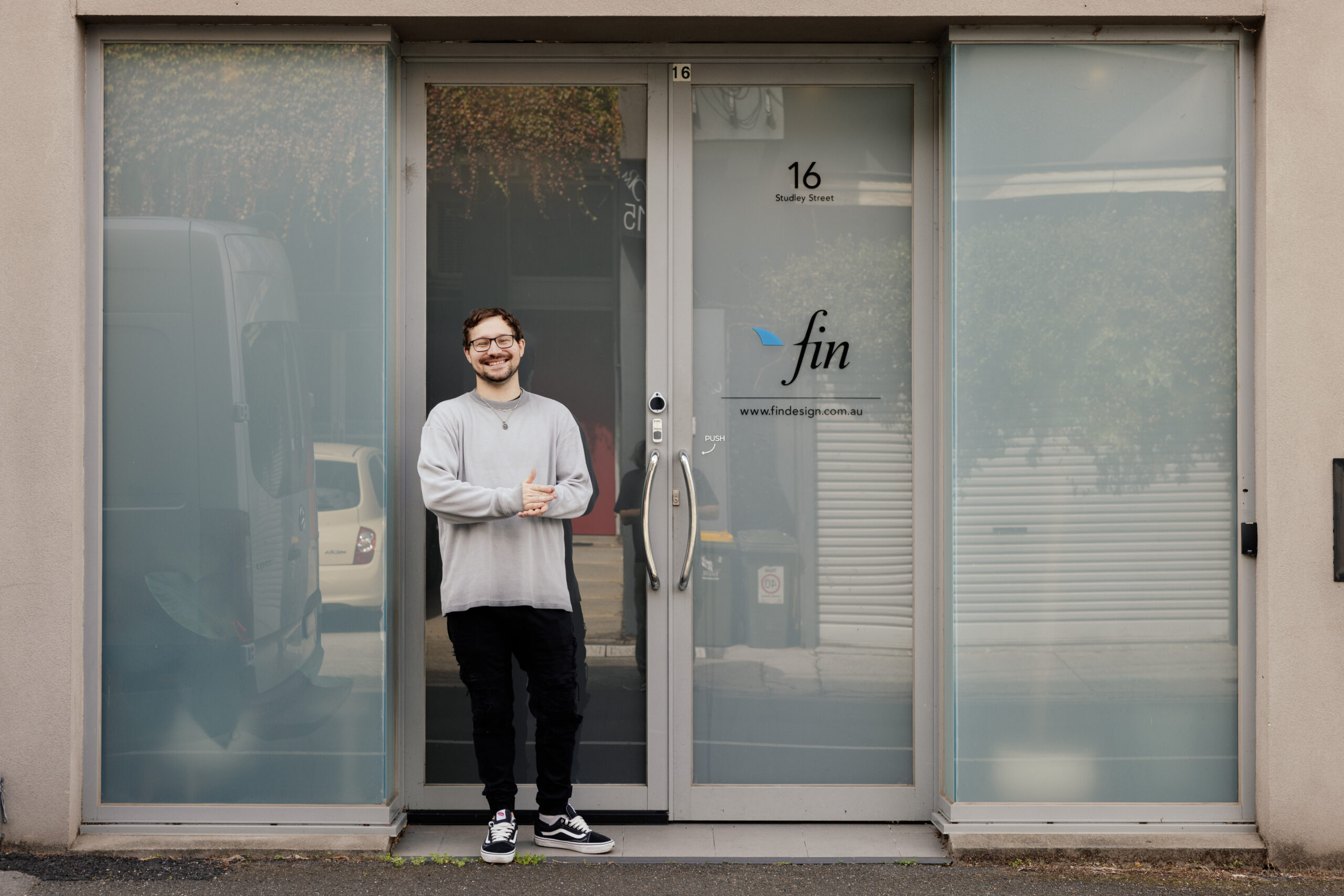
Now at FIN, Jaymes works closely with compositors, supervisors, leads and artists from multiple departments, all contributing to the same final shots.
“You need to understand how your work connects to everyone else’s,” he explains. That means being able to communicate your ideas clearly, explain technical problems in ways others understand, and work effectively with people across different creative and technical disciplines.
4. COLLABORATION
Before entering the industry, Jaymes imagined studio life might feel corporate and intimidating. Instead, he found something much more collaborative and creative.
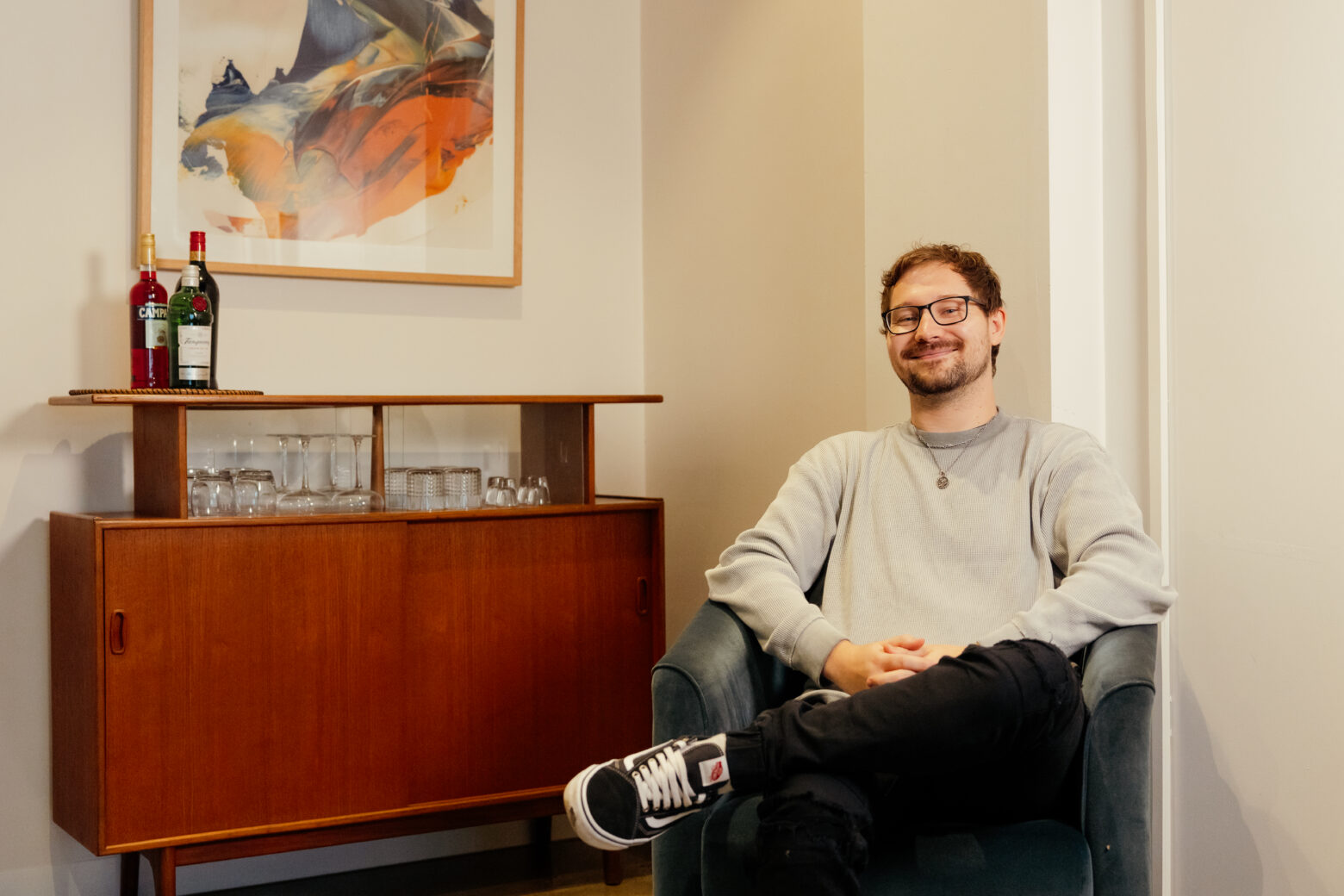
“It feels very artistic and natural,” he says of FIN. “Everyone’s really friendly. I can walk up to my supervisor’s desk and ask questions. It’s not scary.”
This supportive culture is one of the things that surprised him most about working in the industry. Whether it’s artists sharing feedback, solving problems together, or learning from more experienced team members, collaboration sits at the centre of studio life.
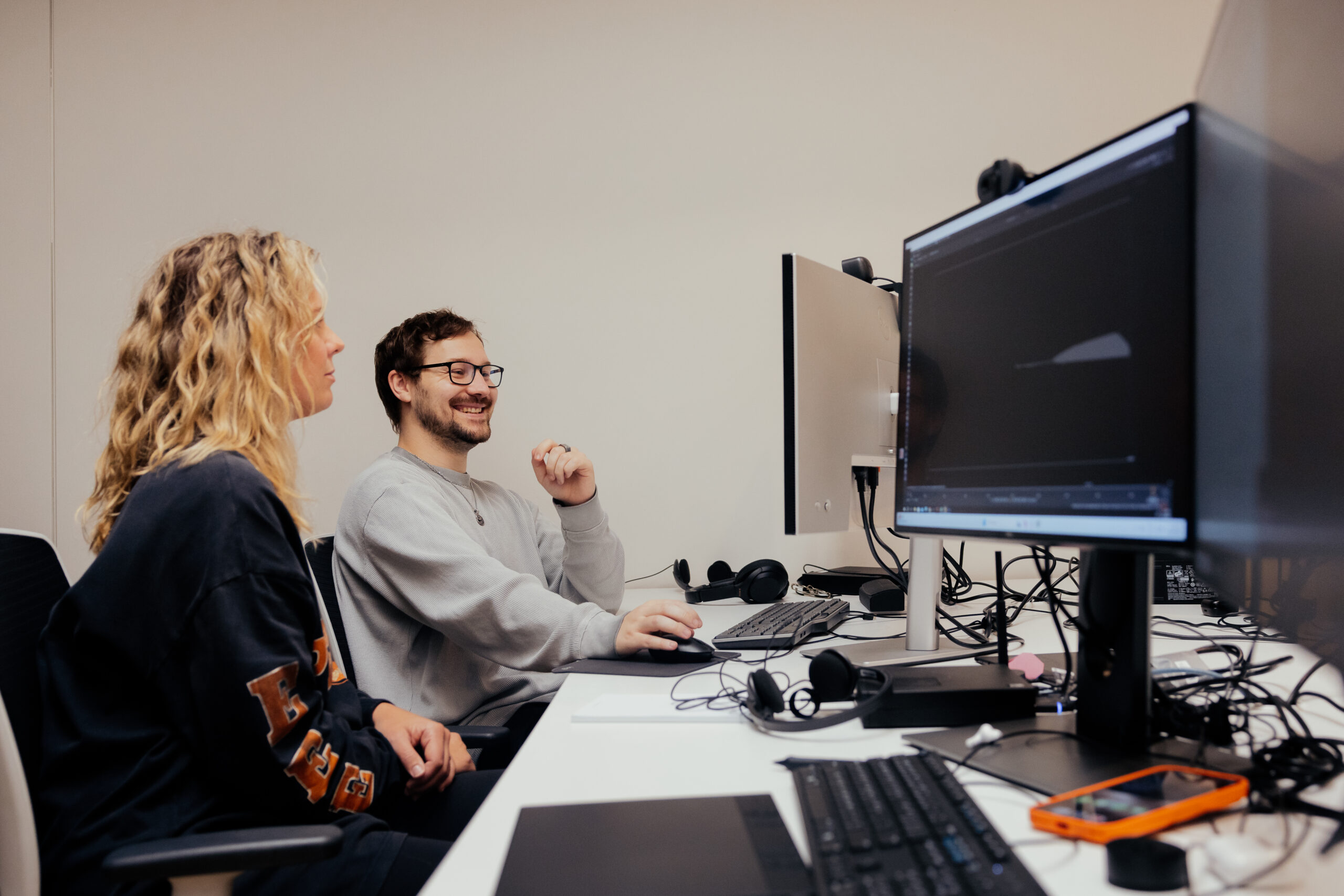
In fact, one of Jaymes’ favourite parts of the day is dailies – the regular studio review sessions where artists present work, receive feedback and discuss creative solutions as a team.
“You have your work publicly reviewed in front of your peers, supervisors and leads daily – sometimes multiple times a day,” he says. “Being able to show your work and get feedback from really talented people helping you grow as an artist is quite special.”
This growth-oriented, collaborative mindset is also something SAE actively prepares students for. Through cross-discipline projects, students regularly work alongside animation, film, games and audio students in environments designed to reflect real production pipelines.
“You’re forced to go and collaborate,” Jaymes says. “You’ve got to talk to game students, film students, audio students. That really prepares you for studio life.”
5. RESILIENCE
If there’s one word Jaymes comes back to repeatedly, it’s resilience. “You’ve got to be able to take the hits, take the notes, and keep pushing forward,” Jaymes explains.
In studio environments, iteration is constant. Shots change, notes evolve, and sometimes, entire approaches can be rebuilt from scratch. “You’re going to have really hard days,” he says. “But there are also going to be really good days.”
Part of succeeding in VFX also means learning not to become overly attached to your work. “You’ve got to be able to kill your darlings,” Jaymes laughs.
For him, resilience is what allows artists to grow from criticism instead of being discouraged by it.
6. CURIOSITY AND A WILLINGNESS TO KEEP LEARNING
The VFX industry moves fast, with new software, workflows and technologies constantly changing the way artists work. “Every day is a school day,” Jaymes says.
And for aspiring VFX artists, he believes growth matters far more than perfection. “Even if you don’t have the best portfolio pieces, studios want to see consistent improvement,” he explains. “If they can see that what you made two months ago compared to now is night and day, that stands out.”
That willingness to keep learning also helped Jaymes break into the industry. After graduating from SAE, he spent several months trying to get his foot in the door before eventually landing a Production Assistant role through an SAE connection.
“It put me in the environment where I could walk up to a CG supervisor with ten years’ experience and ask for feedback on my portfolio.” That experience became the bridge into artistic work within VFX production.
JAYMES’ FINAL ADVICE FOR ASPIRING VFX ARTISTS
For students keen to break into the industry, Jaymes believes one of the biggest advantages is simply putting yourself in environments where opportunities can happen.
That’s why he encourages students to make the most of industry connections and hands-on experiences while they study. “SAE gives you the opportunity to work with industry partners like FIN,” he says. “So, hop on it and take the opportunity.”
And, even after graduating, Jaymes says the support network he built at SAE has remained an important part of his career journey.
“One of the long-term benefits of being an SAE graduate is that the support staff and lecturers are still so welcoming,” he explains. “The support network doesn’t just disappear after graduation.”
Despite the deadlines, revisions and long production schedules that come with working in VFX, there’s still one moment that reminds him why he chose this career in the first place: “I love seeing my name in the credits,” Jaymes says. “Seeing months’ worth of work distilled down into a few minutes on screen is such a satisfying feeling.”
His final piece of advice to emerging VFX pros? “Stay curious, stay critical, but most importantly, stay creative.”
READY TO START YOUR CAREER IN VFX?
From problem-solving and collaboration to adaptability and resilience, the skills behind a successful VFX career extend far beyond software and technical expertise.
At SAE, students develop these critical skills through hands-on projects, collaborative production work and practical learning experiences designed to reflect real studio environments.
Ready to start your career in VFX and virtual production? Check out our VFX courses today to kickstart your journey, or book a call with our Course Advisors for more information.