

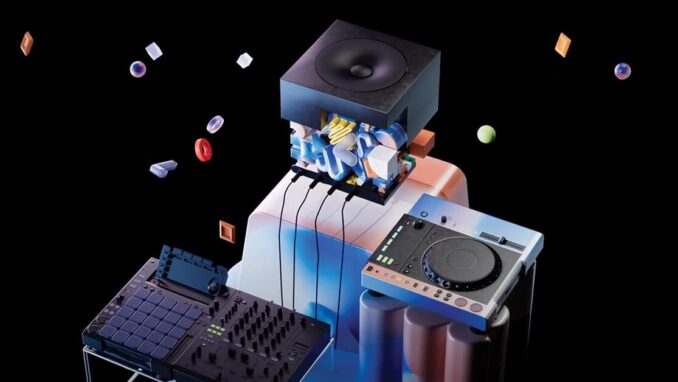
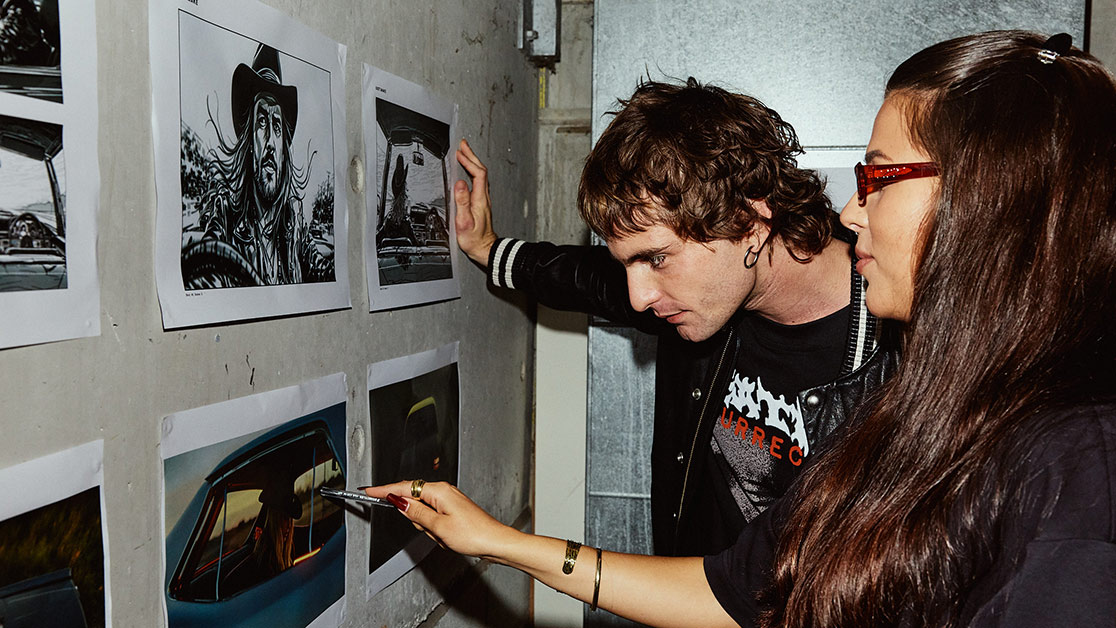
👉 AI IS FOLLOWING A PATTERN THAT CREATIVES HAVE SEEN BEFORE
While certain AI tools might feel new, the anxiety surrounding technology definitely isn’t.
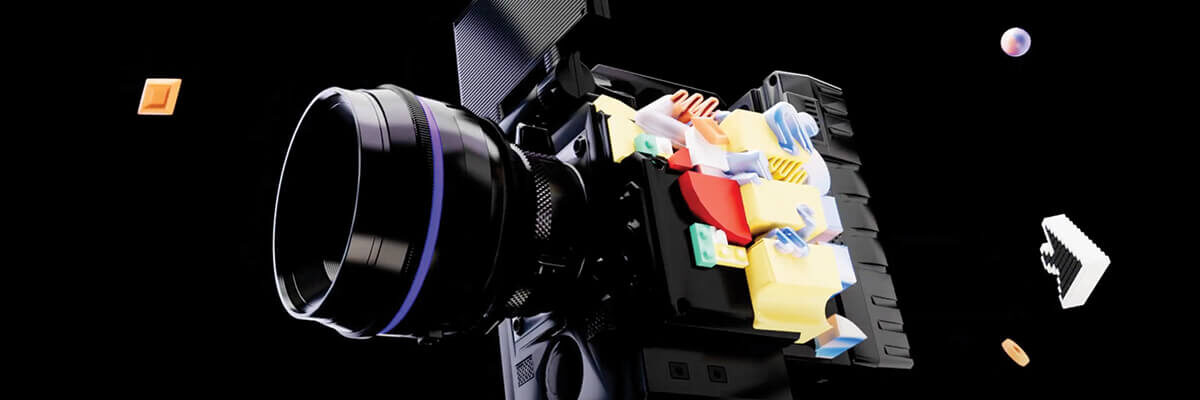
When photography first came onto the scene, painters and illustrators were worried it would make their skills obsolete. If a machine could capture reality instantly, what role was left for the artist?
As Adryan explains:
“When the camera was created in the 1900s, a lot of creatives would have been threatened by that technology.”
What followed wasn’t the death of painting, but its evolution. Photography and illustration began to influence each other, creating entirely new visual outcomes as a result. And now? They’re second nature.
AI is currently sitting in that classic ‘we fear what we don’t understand’ phase. It feels unfamiliar, it’s disruptive, and we’re still figuring out exactly how to use it to our advantage as creatives.
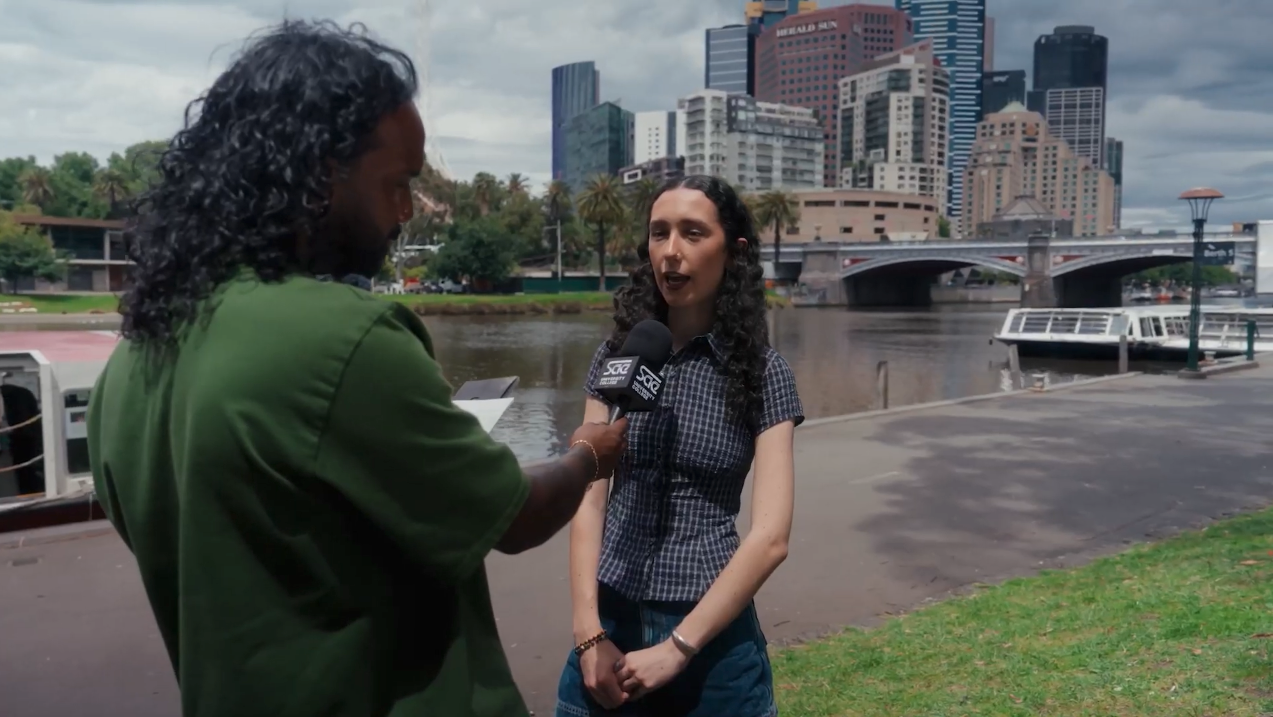
👉 AI WORKS BEST AS AN ARTIST’S TOOL, NOT AS A REPLACEMENT
Creative projects aren’t usually driven by a single idea or tool; they come together through a mix of thinking, processes, and technology.
Photography didn’t replace illustration; it merged with it. Digital tools didn’t remove hand-drawn skills; they enhanced them.
Adryan describes this blending as ‘hybridisation’:
“With photography and illustration skills coming together, especially through tools like Photoshop, you get this hybridisation.”
This doesn’t mean the need for traditional skills has disappeared. They’ve been layered with new tools that allow creatives to work faster, test more ideas, and iterate with confidence.
As Mia points out, “The art of ‘drawing things’ isn’t gone, but AI tools have definitely streamlined the design process for us.”
This is why, whether you study design or film, games or animation, AI literacy is incorporated into all SAE courses. Our goal is to ensure our grads head into the industry well-equipped to use AI tools to their advantage.
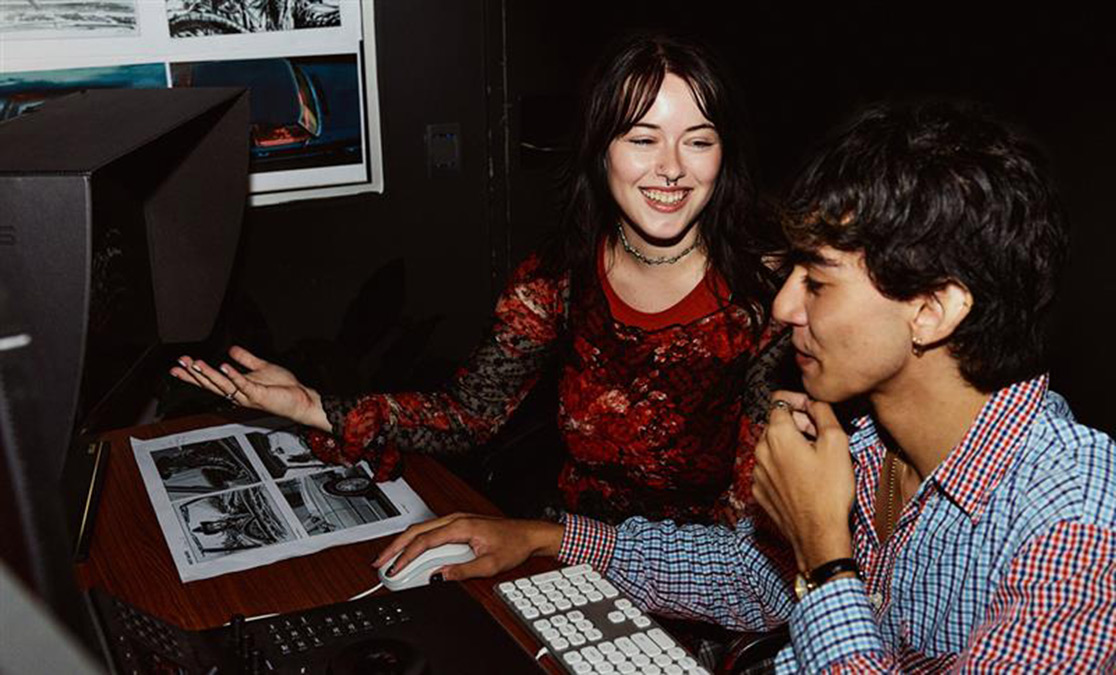
👉 AI MAKES CREATIVE IDEAS EASIER TO COMMUNICATE
One of the hardest parts of creative work isn’t just coming up with ideas – it’s helping others understand them.
Technology has transformed how creatives present concepts, allowing us to turn abstract ideas into fully-fledged experiences.
In fact, in Adryan’s opinion, “Technology is the best thing that’s ever happened to the creative industry.”
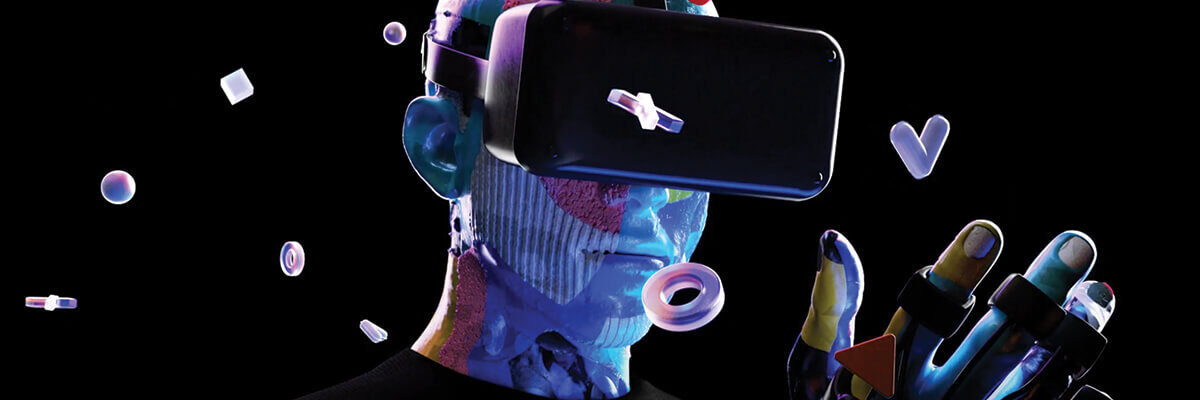
“You want to have your client immersed into your world, into what it is you’ve been creating and concepting. Animation, VR, 3D printing – you’ve got so many means and opportunities to present ideas in an engaging way”
Mia agrees, particularly when it comes to client communication.
“It’s so much easier to communicate all your ideas to a client when you can make mock-ups and images to show them exactly your creative point of view.”
AI supports this process by speeding up visualisation and iteration, expanding how ideas are shared without replacing the uniquely human thinking behind them.
👉 AI LETS YOU STAY IN THE DRIVER’S SEAT
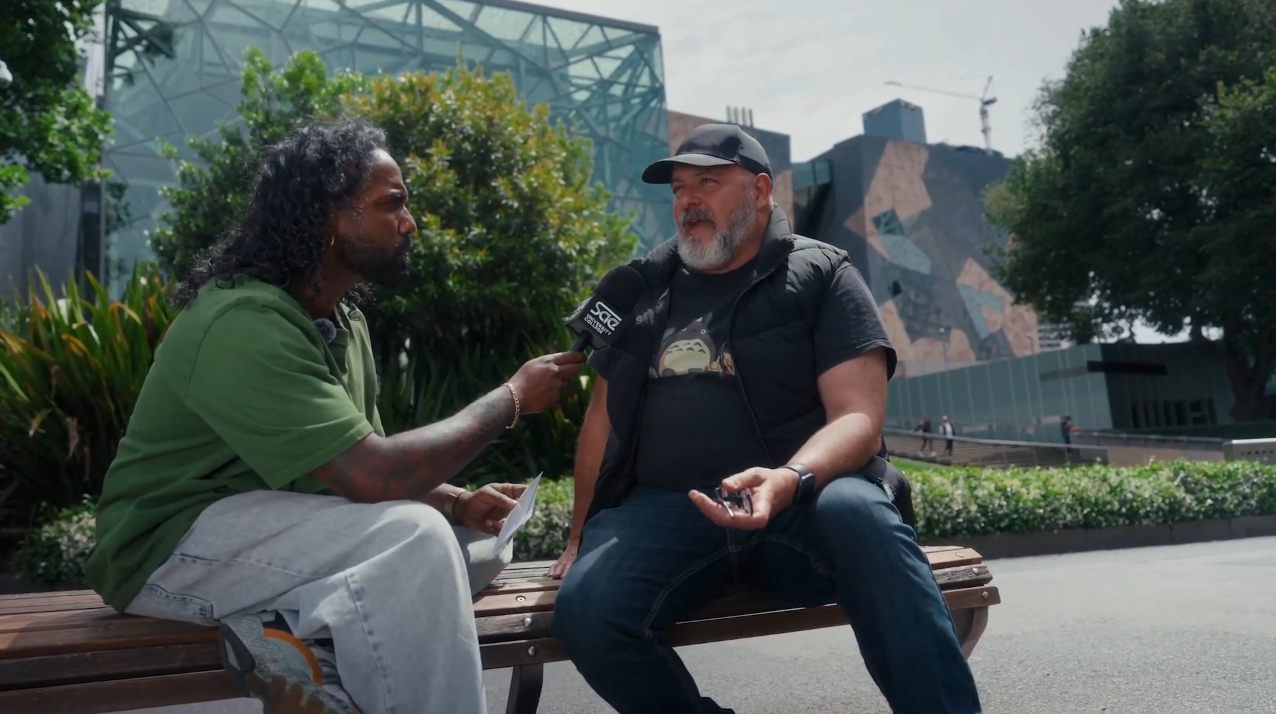
One of the strongest themes that came through in our conversation with Mia and Adryan is this: despite AI joining the chat, creativity still starts and ends with us.
Mia is particularly clear on where AI should stop, and human judgment should lead.
While AI tools are incredibly useful for simplifying repetitive or time-intensive tasks – allowing creatives to focus on ideation and refinement – they can’t replace intention, empathy, or emotional resonance.
“Human emotion and connection is the whole point of making art. There’s no point in making something if it doesn’t have an actual connection with someone.”
For both students and educators, AI works best as a support tool, not a creative decision-maker. And using AI tools to support the creative process brings with it a sense of flexibility.
Creative output no longer depends on being in a studio or sitting at a desk; ideas can be captured, developed, and shared instantly, often from a phone or tablet.
For Adryan, this immediacy is one of technology’s greatest strengths.
“Digital tools have made things a lot more efficient. The cloud system allows you to access that anywhere. You can walk away, think about something, and straight away you’ve got that instant ability to manifest ideas.”
Mia’s process still starts with pen and paper, but she sees technology as a natural extension of that initial spark.
“The first part of the design process is getting all the ideas out of your brain, and then from there, I can take it online and develop it further.”
💭 THE BOTTOM LINE: IS AI REPLACING CREATIVITY?
That’s a resounding “hell no”!
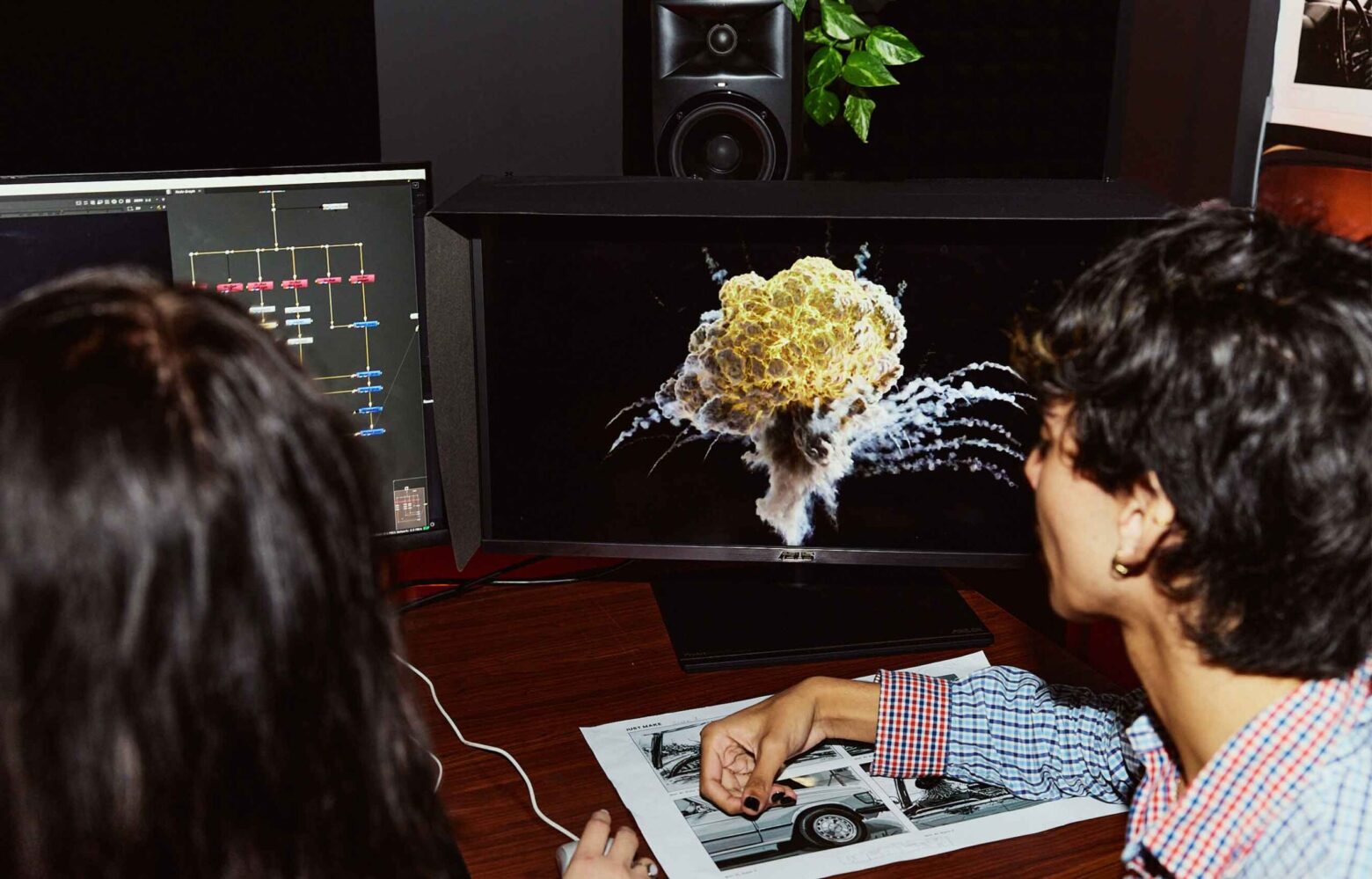
AI encourages hybrid thinking, improves communication, streamlines workflows, and removes barriers between ideas and execution. It’s opening up new ways for ideas to form, develop, and be shared, all while keeping human emotion, judgment, and intent at the centre.
Rest assured: creativity isn’t being replaced by AI – it’s only being enhanced.
To learn more about SAE’s stance on AI in creative media education, check out Pioneering the Future of Generative AI in Creative Media and Technology.